ESSENTIAL FATTY ACIDS

    Omega-3 Capsules

    ★★★★★
    ★★★★★
    4,81 / 5 · 126 reviews

    Laboratory-tested omega-3 capsules provide marine omega-3 fatty acids from natural fish oil with an optimized EPA-to-DHA ratio and added vitamin E. Supplement your intake of essential omega-3 fatty acids if you are not getting enough from your diet.

    • 2,000 mg fish oil, including 600 mg omega-3 fatty acids (360 mg EPA, 240 mg DHA), supplemented with 10 mg vitamin E per daily serving
    • Long-chain omega-3 fatty acids EPA and DHA in triglyceride form
    • With vitamin E, which helps protect cells from oxidative stress
    • Laboratory-tested quality with an independent certificate of analysis
    • Pure formulation, gluten-free, lactose-free, and non-GMO
    • 90 capsules per glass jar, enough for 45 days at 2 capsules daily

    90 capsules for 45 days

    Sale price €19,00Regular price
    Regular price €19,00
    Unit price €152,00  per  kg
    Tax included. Shipping calculated at checkout.
    Save with a Subscription

    Auto-renews, skip or cancel anytime.

    Save with a Subscription

    Auto-renews, skip or cancel anytime.

    To add to cart, go to the product page and select a purchase option
    Omega-3 Capsules
    Sale price €19,00Regular price
    Regular price €19,00
    Unit price €152,00  per  kg
    VAT included
    Delivered within 1–3 business days Free shipping

    Omega-3 fatty acids first came into the focus of research through the traditional diet of the Inuit.

    • Protection of cells from oxidative stress through vitamin E

      Vitamin E contributes to the protection of cells from oxidative stress. In the omega-3 capsules, vitamin E is provided in an oil-based form so that it can be absorbed effectively together with fats.
    • Support for normal heart function, brain function and vision through EPA and DHA

      According to the health claims authorised by the EFSA, EPA and DHA contribute to the normal function of the heart with a daily intake of 250 mg. DHA contributes to the maintenance of normal brain function and normal vision with a daily intake of 250 mg.
    • Targeted omega-3 supplementation

      Dietary intake of omega-3 fatty acids can vary considerably depending on food choices and eating habits. An adequate supply of omega-3 fatty acids should take into account the total intake from food and food supplements; an omega-3 test can help determine your individual omega-3 status.
    • Practical daily use

      Take 2 capsules daily, swallowed whole with sufficient liquid, with a meal containing fat.
    • Quality-tested fish oil with certificate of analysis

      The omega-3 capsules are tested by independent German laboratories for identity, content, heavy metals, microbiological quality and oxidation parameters, including peroxide value, anisidine value and TOTOX value.
    • Omega-3 capsules without unnecessary additives

      The formula contains fish oil in triglyceride form, bovine gelatine, glycerine, deionised water and vitamin E. No gluten or lactose is added. The reusable glass jar is intended for storing the omega-3 capsules.
    Omega-3 fatty acids first came into the focus of research through the traditional diet of the Inuit.
    Omega-3 fatty acids first came into the focus of research through the traditional diet of the Inuit.
    Omega-3
    INGREDIENT & PRODUCT CONCEPT

    Carefully formulated. Transparently tested.

    The neotes Basics range is designed for people who value familiar and established ingredients. Our omega-3 capsules follow the same principle: a straightforward formulation with omega-3 fatty acids from fish oil, a complementary amount of vitamin E and batch-specific quality testing by independent laboratories.

    ORIGIN Omega-3 fatty acids from fish oil
    FATTY ACIDS With EPA and DHA as the key omega-3 fatty acids
    ROUTINE 2,000 mg fish oil per daily serving, providing 600 mg omega-3 fatty acids

    Verified batches

    Documented quality and testing standards.
    Laboratory analysis

    Easy-to-follow daily routine

    A clearly defined daily serving that is easy to integrate.

    Hand-selected raw materials

    Selected for origin, quality and meaningful use.

    Clear formulations

    A small number of transparent ingredients instead of overloaded blends.
    Scientific expertise
    “Micronutrients are the essential tools our bodies need to help prevent disease and support the immune system.” PD Dr. Axel Polack Lead Scientific Advisor・Founder

    FAQ

    We have the answers

    The capsules contain the marine omega-3 fatty acids EPA (eicosapentaenoic acid) and DHA (docosahexaenoic acid).

    The recommended daily serving of 2 capsules provides 2,000 mg of fish oil, including 600 mg of omega-3 fatty acids, divided into 360 mg of EPA and 240 mg of DHA. Each daily serving also contains 10 mg of vitamin E.

    Vitamin E provides 84% of the nutrient reference value. No separate NRV values are defined for EPA and DHA under the EU Food Information Regulation; the authorised health claims are based on the EFSA intake level of 250 mg of EPA and DHA per day.

    Several health claims for EPA, DHA and vitamin E are authorised in the EU and have been confirmed by the European Food Safety Authority (EFSA).

    • EPA and DHA contribute to the normal function of the heart. The beneficial effect is obtained with a daily intake of 250 mg of EPA and DHA.
    • DHA contributes to the maintenance of normal brain function. The beneficial effect is obtained with a daily intake of 250 mg of DHA.
    • DHA contributes to the maintenance of normal vision. The beneficial effect is obtained with a daily intake of 250 mg of DHA.
    • Vitamin E contributes to the protection of cells from oxidative stress when the daily serving provides at least 15% of the nutrient reference value (NRV).

    The fish oil is provided in its natural triglyceride form, the same form in which fats occur in fish. The fatty acids, including EPA and DHA, are attached to a glycerol backbone.

    The formulation contains fish oil, gelatine, glycerine, deionised water and vitamin E; no gluten or lactose is added.

    The oil is tested batch by batch by independent laboratories for heavy metals and relevant contaminants. Only raw materials that remain well below the defined limits are used. The current certificate of analysis with detailed laboratory values is available under “Laboratory Analysis.”

    The softgel capsules are made from animal-derived gelatine and are therefore not suitable for vegetarians or vegans.

    International industry bodies such as GOED recommend a maximum TOTOX value of 26 for omega-3 oils. Lower values indicate acceptable oxidation and good freshness. The neotes omega-3 capsules have a TOTOX value of 16, well below this limit. The certificate of analysis from an independent German laboratory is available under “Laboratory Analysis.”

    Marine capsules provide EPA and DHA directly, whereas plant sources usually contain ALA, which the body can convert into EPA and DHA only to a limited extent.

    People who regularly eat oily fish such as salmon, mackerel, herring or sardines already obtain part of their EPA and DHA intake from their diet and may therefore require only basic supplementation, whereas people who eat very little fish may benefit more from the full supplement dose.

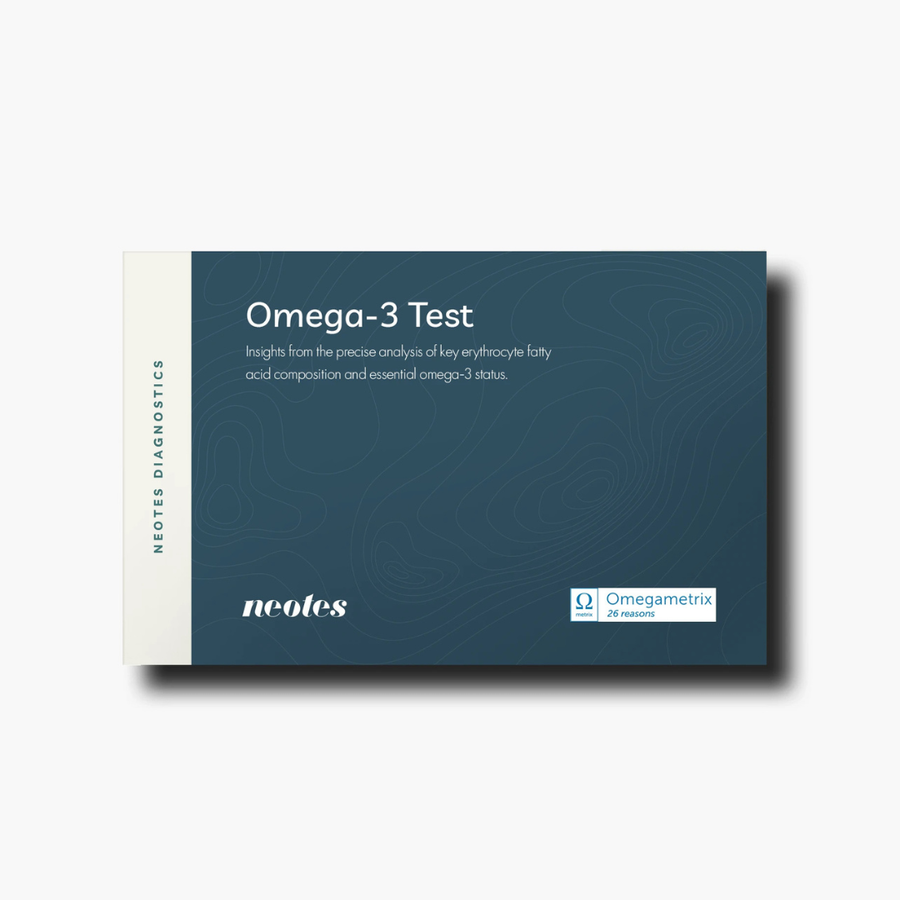
    The appropriate dosage should take total intake from food and supplements into account. An omega-3 blood test, such as an omega-3 index measurement, can also help assess individual status and tailor intake more precisely.

    One jar contains 90 capsules (125 g), while three jars contain 270 capsules (375 g). At a daily intake of 2 capsules, one jar lasts for approximately 45 days, while the three-pack provides approximately 135 days' supply at the same dosage.

    People with a sensitive stomach or who prefer a cautious approach may start with a smaller amount and gradually increase to the full recommended daily serving.

    If you forget a serving, you may take it later the same day. Do not take a double serving or exceed the recommended daily amount to compensate.

    Yes, the daily dose of two capsules can be divided between two meals.

    It can generally be taken in the morning, at midday or in the evening. Choose a consistent time that fits your routine.

    Taking the product with or shortly before a meal may improve gastrointestinal tolerance. Use on an empty stomach is generally possible but should be approached cautiously by people with a sensitive digestive system.

    We recommend taking 2 Omega-3 capsules daily and swallowing them whole. Ideally, take them with a meal containing some fat. The appropriate amount of liquid may vary from person to person; we recommend one glass of water (approximately 250 ml).

    Food supplements should not be used as a substitute for a varied and balanced diet and a healthy lifestyle. Do not exceed the stated recommended daily amount.

    When taken at an appropriate dosage and within general maximum intake levels, long-term continuous use is common and can be appropriate. Breaks are generally not required but can be agreed individually with qualified professionals.

    An omega-3 blood test can also help assess individual status and tailor intake more precisely.

    A fatty-acid status test can measure the omega-3 index—the proportion of EPA and DHA in red blood cells—and often the HS-Trans Index, which reflects harmful trans fatty acids. Based on the results, daily omega-3 intake can be increased, maintained or reduced, ideally in consultation with medical professionals.

    This can be done through individual consultation or tools that structure supplement plans using personal data and laboratory values.

    In principle, this is possible, although the characteristic fish taste may become more noticeable. Many people find swallowing the capsule whole more pleasant.

    It may help to take the capsule with plenty of water at the start of a meal, tilt the head slightly forward while swallowing or place the capsule in a little yogurt. Persistent difficulty should be discussed with a qualified professional.

    Yes, this is possible. However, your total EPA and DHA intake from food and supplements should be considered to avoid unnecessarily exceeding the recommended daily amounts.

    The best-before date is printed on the bottom of the glass jar. When stored as directed, the product will retain its stated quality until this date.

    For larger orders, please contact our customer service team to confirm the best-before date of the current batch.

    Store the capsules in a cool, dry place, tightly closed and protected from light. Keep out of reach of children.

    Refrigeration is not essential, but at higher ambient temperatures it may help preserve the freshness of the oil, provided that the capsules remain dry and tightly closed.

    Yes. The product can be carried in hand luggage or checked baggage. Keep it tightly closed, dry and protected from excessive heat and direct sunlight.

    After rinsing and drying, the glass jar can be reused for spices, tea, snacks or small items. Alternatively, it can be recycled in a glass-recycling container in accordance with local requirements.

    Specific omega-3 tests, such as determination of the omega-3 index from blood, can be used to measure individual status and adjust the dosage more precisely. A prominent method is the HS-Omega-3 Index®, co-developed by Professor von Schacky. In a specialised laboratory, the percentage of the marine omega-3 fatty acids EPA and DHA in red blood cells is measured. The result can be used to assess personal omega-3 status and, together with qualified professionals, tailor diet and supplementation.

    Click here to view the current Certificate of Analysis. The report contains the results of independent testing by an external accredited laboratory and provides full transparency regarding the parameters measured.

    The analyses for the omega-3 capsules are performed by Limbach Analytics GmbH, Arotop Laboratories Mainz, an independent German testing laboratory accredited according to DIN EN ISO/IEC 17025:2018 and specializing in food, fat and oil analysis. The laboratory uses standardized, validated methods and has extensive experience analyzing food supplements.

    Testing includes identity and content of EPA and DHA, the complete fatty-acid profile, microbiological quality such as total microbial count, yeasts and molds, heavy metals including lead, cadmium, mercury and arsenic, and oxidation parameters such as peroxide value, anisidine value and TOTOX. The specific results are listed in the certificate of analysis.