DETOX GENES

    DNA Detox Test

    ★★★★★
    ★★★★★
    4,81 / 5 · 126 reviews

    Understand the genetic baseline of your body’s own detoxification pathways. The DNA Detox Test analyses selected genetic variants in genes involved in Phase 1 and Phase 2 detoxification. Research has associated these variants with the activation, conversion and excretion of environmental substances, medications and the body’s own metabolites.

    • At-home DNA test using a buccal swab
    • Classification of key Phase 1 and Phase 2 detoxification enzymes
    • Analysis of 14 detox genes with 19 scientifically described SNPs
    • Shows which detoxification pathways may be genetically more robust or sensitive
    • Preliminary medical consultation and detailed DNA Detox Report
    Sale price CHF 285.00Regular price
    Regular price CHF 285.00
    Tax included. Shipping calculated at checkout.
    DNA Detox Test
    Sale price CHF 285.00Regular price
    Regular price CHF 285.00
    Delivered within 1–3 business days Free shipping

    DNA-based analysis of the body’s own detoxification capacity.

    • DNA test using a buccal swab
      The DNA Detox Test kit is designed for straightforward sample collection at home. To perform the test, a buccal mucosa sample is placed in a sample tube, which is then sent to a specialised German laboratory certified according to ISO 9001:2015 and genetically analysed there.
    • Determination of the genetic baseline in Phase 1 and Phase 2 detoxification pathways
      Phase 1 enzymes activate and modify many foreign substances, while Phase 2 enzymes neutralise them and make them ready for excretion. The SNPs examined in the test describe an individual genetic baseline of these detoxification pathways and show at which points enzyme activity tends to be normal, reduced or increased.
    • Analysis of relevant detox genes
      In the laboratory, defined DNA segments of 14 detox genes with a total of 19 scientifically described SNPs are examined, including Phase 1 cytochrome P450 genes (e.g. CYP1A1, CYP1A2 and CYP2B6) as well as key Phase 2 enzymes such as the GST family (GSTM1, GSTP1, GSTT1 and GSTM3), UGT1A1, SULT1A1, NAT2, COMT, MTHFR, SOD2 and OGG1. Because the respective genotype is genetically fixed, a one-time analysis is generally sufficient for life. The results classify the personal baseline in areas such as the activation of harmful substances, glutathione conjugation, sulphation, acetylation, antioxidant protection and DNA repair.
    • Measurement for your own detox and longevity routine
      Genetic variants do not change over the course of life and therefore form a stable basis on which Phase 1 and Phase 2 enzyme systems operate. The DNA Detox Test shows whether certain detoxification pathways tend to be robust or whether some areas may respond more sensitively to exposures, allowing nutrition, everyday exposure and micronutrient intake to be aligned more consciously with your own baseline.
    • Medical consultation and detailed report with classification
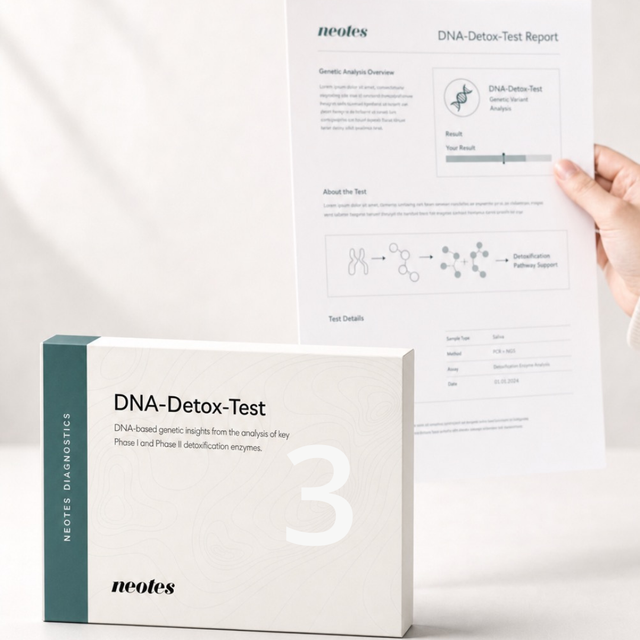
      Following the preliminary consultation, receipt of the sample and laboratory analysis, the DNA Detox Report is available after approximately 3 weeks. The report summarises the results for each gene examined in a structured manner, including gene function, genotype, a traffic-light assessment of the expected enzyme activity and recommendations regarding nutrition, lifestyle and micronutrient intake in the context of Phase 1 and Phase 2 detoxification.
    DNA-based analysis of the body’s own detoxification capacity.

    Understanding the DNA Detox test

    The body’s detoxification takes place in the liver in two phases that work together to render harmful substances such as toxins, medications or metabolic waste products harmless and remove them from the body.  

    Phase 1: Preparation of toxins In the first phase, harmful substances are chemically modified by special enzymes, particularly the so-called cytochrome P450 enzymes. This often produces more reactive and sometimes even more toxic intermediate products. This phase prepares the substances to be finally neutralised in the second phase.  

    Phase 2: Neutralisation and excretion In the second phase, the reactive substances from Phase 1 are rendered harmless through so-called conjugation. This means that the body combines them with other molecules such as glutathione, sulphate or glucuronic acid. This makes the substances water-soluble so that they can be excreted in the urine or stool.  

    Although Phase 1 prepares the substances for detoxification, it can also make them more dangerous if Phase 2 does not function properly. It is therefore important that both phases work well together. If Phase 1 works too quickly but Phase 2 cannot keep up, toxic intermediate products can be produced that place a burden on the body. 

    Inefficient Phase 2 activity can mean that the body does not completely excrete toxins, which can lead to chronic inflammation or oxidative stress.

    The efficiency of Phase 1 and Phase 2 is determined in part by genetic factors. Some people have genetic variants that influence the activity of detoxification enzymes, either accelerating or slowing it down. A DNA Detox Test can help identify these genetic differences.

    How does the DNA Detox Test work?

    1. Schritt

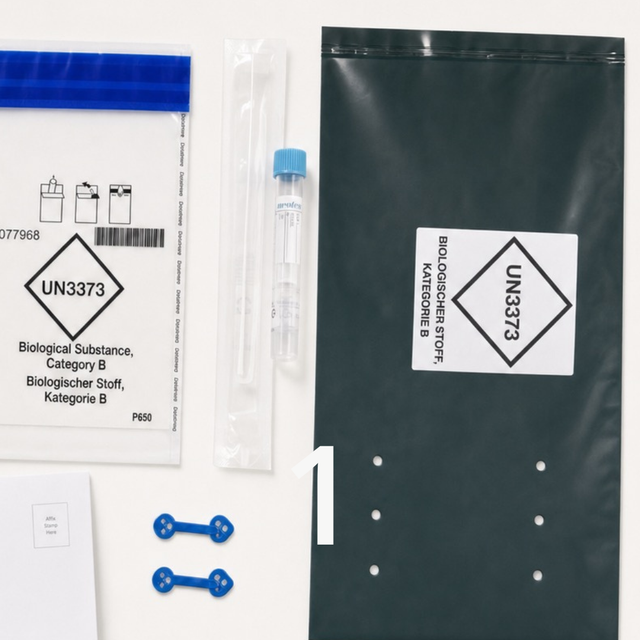
    Order your DNA Detox Test and, following the preliminary consultation, receive your test kit at home within 1–3 working days. Then complete the enclosed documents.

    2. Schritt

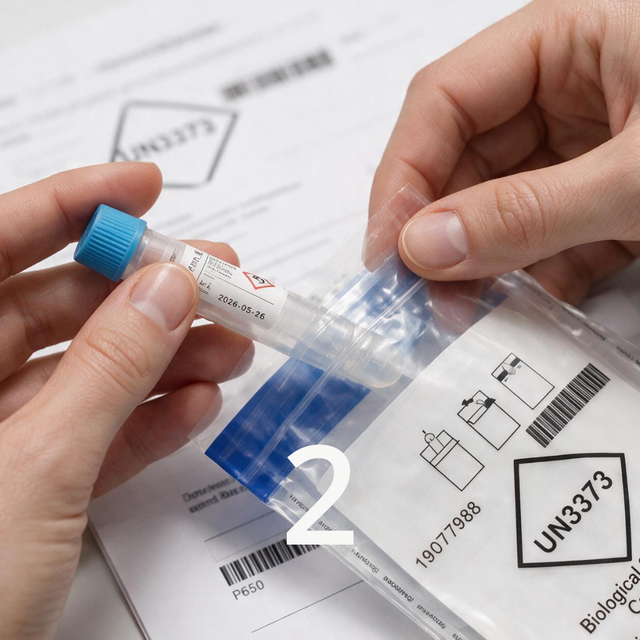
    Use the swab to collect a buccal mucosa sample and place the swab in the sample tube. Put the sample tube and documents in the prepared return envelope and send it.

    3. Schritt

    In a certified German laboratory, defined DNA segments from 14 detox genes with a total of 19 SNPs relating to Phase 1 and Phase 2 detoxification pathways are analysed. Your DNA Detox Report is available after approximately 3 weeks.

    Scientific expertise
    “Epigenetics is a disruptive technology of the future in preventive medicine. With our neotes bioAge Test, precise measurement and robust mathematical models already allow us to generate substantial predictive value. This gives you a unique opportunity to obtain these data and use them to inform your future behaviour.” PD Dr Axel Polack Lead Scientific Advisor | Founder


    FAQ

    We have the answers

    The DNA Detox Test is an at-home genetic test that you can perform conveniently after a preliminary consultation. You receive a test kit with detailed instructions and collect a buccal swab yourself, which is then sent to a specialist laboratory.

    You can choose between two scopes of analysis: 

    ·      Phase 2 Detoxification (Basic): Focus on MTHFR and key GST genes 

    ·      Phase 1 and Phase 2 Detoxification (Advanced): More comprehensive analysis of 19 genetic variants in 14 genes, including Phase 1 enzymes 

    With both versions, you receive an individual report and a personal preliminary medical consultation. 

    The Phase 2 Detoxification version (Basic) is particularly suitable when you want a focused introduction to genetic detoxification and primarily wish to examine key Phase 2 pathways such as MTHFR and the GST genes GSTM1, GSTT1 and GSTP1.

    The Phase 1 and Phase 2 Detoxification version (Advanced) is appropriate when you want a more comprehensive picture of your detoxification capacity from the outset, including additional Phase 1 genes and a larger number of genetic variants, or when your situation is more complex—for example because of multiple influencing factors or several medications.

    Ideally, select the most suitable version together with the consulting physician.

    The test is intended for adults aged 18 and over who want to understand how their body’s detoxification processes are genetically supported. It may be particularly useful when you are frequently exposed to medication, environmental factors or intolerances and want to adapt your lifestyle accordingly.

    The test kits generally remain usable for several months. The exact best-before date is printed on the packaging. Store the kit in a dry place at room temperature and use it no later than the stated date to help ensure sample quality.

    The test kit contains everything required for sample collection: one or more swabs for collecting cells from the inside of the cheek, illustrated step-by-step instructions, labeling stickers and return packaging for shipment to the laboratory.

    The DNA Detox Test can be given as a gift, for example through our digital Longevity Card gift voucher. The recipient can use it to select and order the DNA Detox Test personally and manage the entire process independently. You can find the Longevity Card gift voucher in our shop.

    After the preliminary medical consultation, collect the buccal swab as described in the instructions. Rub the swab firmly against the inside of your cheek for the stated period, allow it to dry briefly and place it in the designated tube or transport sleeve. Package everything as instructed and send it to the laboratory using the enclosed return envelope.

    Please follow the guidance in the package leaflet, particularly regarding eating, drinking, smoking or brushing your teeth before collecting the sample. As a rule, for a defined period beforehand you should not eat or drink anything (except water), should not smoke, should not use chewing gum or sweets, and should not touch the swab with your fingers or other surfaces. 

    Yes. Intensive oral hygiene immediately before sample collection can change the amount of cheek cells available and leave residues of toothpaste or mouthwash in the sample. For at least 30–60 minutes before the buccal swab, you should therefore not brush your teeth, not use mouthwash and not eat, drink (except small amounts of water) or smoke, so that the sample remains as unaltered as possible. 

    The buccal swab can generally be collected at any time of day. Ideally, choose a time during your normal daily routine when you can easily observe the recommended intervals after eating, drinking, smoking and brushing your teeth.

    Ideally, send your sample on the day of collection or the next working day, so that transport and storage times are kept as short as possible. If this is not possible, store the sealed sample at room temperature as instructed and send it within a few days. 

    Store the sealed sample in a dry place at room temperature, protected from direct sunlight and significant temperature fluctuations. Send it as soon as possible to help ensure optimal sample quality.

    Yes. You can collect the sample together with your physician if they are willing to assist you. However, the test remains an at-home test whose sample is sent to a specialist laboratory.

    The DNA Detox Test analyzes genetic variants involved in Phase 1 and/or Phase 2 detoxification processes that may influence how your body metabolizes toxins, medication and environmental contaminants. The results indicate whether individual detoxification pathways appear typical, sensitive or potentially reduced and where there may be a greater need for protective nutrients, antioxidants or lifestyle adjustments.

    Phase 2 Detoxification (Basic): 

    • MTHFR gene analysis (C677T and A1298C) to assess folate utilisation and homocysteine breakdown. 
    • GST genes (GSTM1, GSTT1 and GSTP1) to assess the neutralisation of free radicals and the excretion of harmful substances. 

    Phase 1 and Phase 2 Detoxification (Advanced): 

    • Analysis of 19 genetic variants in 14 genes for a more comprehensive assessment of detoxification capacity. 
    • Additional Phase 1 data show how your body initially activates toxins before they are further processed and excreted in Phase 2. 
    • Includes all content of the Phase 2 version plus further genetic variants for an even more in-depth assessment. 

    Both versions include an individual results report and a personal preliminary medical consultation. 

    The results report presents your genetic variants for key detox genes in a structured format and summarises the areas in which your detoxification capacity appears more favourable or may potentially be challenged. In addition, you receive interpretive texts and practical recommendations relating to diet, supplements and lifestyle that may help to provide targeted support for your individual detoxification capacity.

    Once your sample reaches the laboratory, the analysis usually takes about 3 weeks. As soon as the report is ready, you will be notified and can view the result on the platform and, if you wish, discuss it with qualified professionals. 

    Because this is a genetic test, the underlying hereditary information normally does not change during your lifetime. A correctly performed and evaluable DNA Detox Test therefore generally does not need to be repeated. Retesting may only be appropriate when the original sample cannot be evaluated technically or when your physician expressly recommends it.

    Your genetic data are processed pseudonymously. This means that the laboratory works with a sample code rather than your name. The digital results report is provided through a secure platform, and data processing follows the applicable data-protection and security standards.

    A preliminary medical consultation is an integral and mandatory part of the DNA Detox Test. During this consultation, you and the physician clarify whether the test is suitable for your situation, which questions are most relevant and how a possible result will later be interpreted.

    The consultation is currently provided in German. Further languages may be added in the future; please feel free to contact us if you have a specific requirement. 

    By default, no additional medical consultation is mandatory after you receive the test result. However, you can discuss your result with your treating doctor or, if desired, book a separate longevity consultation in which your results are explained in detail and possible next steps are discussed.

    You can also book a longevity consultation if desired. During the consultation, the genetic test results are placed in the broader context of metabolism, micronutrient status, gut health and long-term prevention, helping you plan concrete steps for optimizing your overall longevity profile.

    Yes. You can also discuss the genetic findings with your primary care physician or specialized practitioners, such as professionals in functional or environmental medicine. Combining the genetic results with a clinical assessment supports the best possible individualized decisions regarding nutrition, supplements, medication and exposure reduction.