METHYLATION GENES

    Methylation Efficiency Test

    ★★★★★
    ★★★★★
    4,81 / 5 · 126 reviews

    How well is your body able to support methylation processes? The Methylation Efficiency Test identifies genetic variants that play a role in methylation and folate metabolism—that is, in the metabolic pathways where methyl groups are formed, recycled, and made available for numerous bodily functions, including the processing of endogenous and exogenous substances.

    • At-home DNA test using a buccal swab

    • Determination of genetically determined methylation and folate metabolism activity

    • Analysis of specific MTHFR variants (including C677T, A1298C) with a single test

    • Indicates whether methylation activity is expected to be normal or reduced

    • Preliminary medical consultation and structured MTHFR report

    Sale price CHF 114.00Regular price
    Regular price CHF 114.00
    Tax included. Shipping calculated at checkout.
    Methylation Efficiency Test
    Sale price CHF 114.00Regular price
    Regular price CHF 114.00
    Delivered within 1–3 business days Free shipping

    DNA-based test to assess your genetically determined methylation capacity.

    • DNA test using a buccal swab
      The MTHFR test kit is designed for straightforward sample collection at home. To perform the test, a buccal mucosa sample is placed in a sample tube, which is then sent to a specialised German laboratory certified according to ISO 9001:2015 and genetically analysed there.
    • Determination of genetically determined enzyme activity in methylation and folate metabolism
      Methylation processes help the body regulate metabolic pathways and provide methyl groups for numerous biochemical reactions. The combination of genetic variants in methylation and folate metabolism makes it possible to estimate whether normal or genetically reduced enzyme activity is to be expected, in other words how efficiently these metabolic pathways are fundamentally configured.
    • Analysis of relevant methylation genes
      The laboratory uses established molecular-biological procedures such as multiplex PCR. The focus is on defined variants of the MTHFR gene, including C677T and A1298C, whose genotype is genetically fixed and generally needs to be determined only once in a lifetime. A single test is sufficient to assess, on the basis of your own genetics, whether certain micronutrients, such as folate, vitamin B12, vitamin B6 or choline, may be particularly relevant factors.
    • Measurement for your own longevity routine
      Genetic variants are stable: they do not change over the course of life and therefore form the baseline with which methylation and folate metabolism operate. This is precisely where the potential of the test lies. The test result shows whether the organism has a comparatively robust methylation capacity or whether certain areas may respond more sensitively to the supply of relevant micronutrients.
    • Medical consultation and detailed report with classification
      Following the preliminary consultation, receipt of the sample and laboratory analysis, the MTHFR Report is available after approximately three weeks. The report summarises the results in a structured manner, including gene function, the individual MTHFR genotype, classification of the genetically determined enzyme activity derived from it, and a traffic-light assessment ranging from above average to significantly reduced. This creates a new perspective on the interaction between genetic baseline, nutrition and lifestyle.
    DNA-based test to assess your genetically determined methylation capacity.

    Understanding the Methylation Efficiency Test

    Methylation is a central biochemical process in which a methyl group (CH₃) is attached to specific molecules such as DNA. Methylation plays a particularly important role in the epigenetic regulation of DNA because it determines which genes are active and which are “silenced”. What is particularly significant is that methylation does not alter the gene sequence itself, but influences how genes are used. It therefore acts like a switch that determines whether certain genetic information is “read” or not.

    This mechanism is essential for numerous biological processes. Methylation ensures, for example, that only the genes required in a particular cell are activated. It also helps cells retain their identity, such as when distinguishing between skin cells and nerve cells. At the same time, methylation can be altered by external influences such as diet, stress or environmental factors. It therefore shows how dynamically our genetic system responds to our environment.

    How does the Methylation Efficiency Test work?
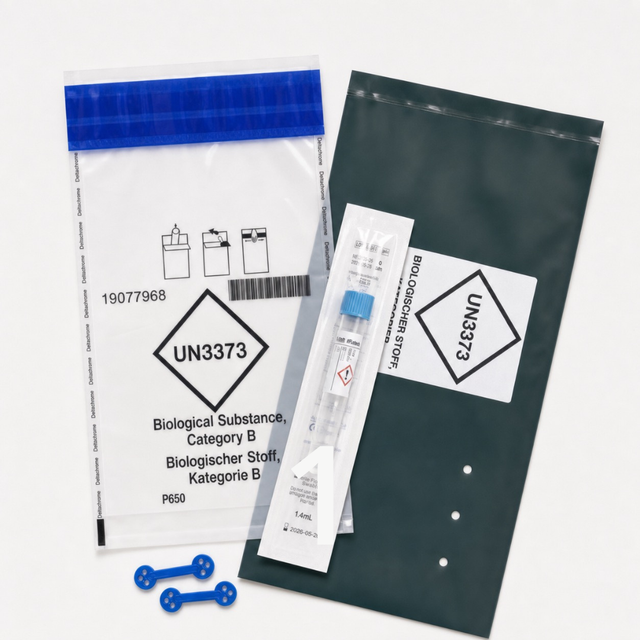
    1. Schritt

    Order your Methylation Efficiency Test and, following the preliminary consultation, receive your test kit at home within 1–3 working days. Then complete the enclosed documents.

    2. Schritt

    Use the swab to collect a buccal mucosa sample and place the swab in the sample tube. Put the sample tube and documents in the prepared return envelope and send it.

    3. Schritt

    In a certified German laboratory, defined variants of the MTHFR gene, including C677T and A1298C, are analysed using established molecular-biological procedures. Your MTHFR Report is available after approximately three weeks.

    Scientific expertise
    “The Methylation Efficiency Test represents a breakthrough in cutting-edge research and shows how science and technology can work hand in hand to provide new insights.”PD Dr Axel Polack Lead Scientific Advisor・Founder


    FAQ

    We have the answers

    The Methylation Efficiency Test is an at-home genetic test that you can perform conveniently after a preliminary medical or professional consultation. You receive a test kit with detailed instructions and collect a buccal swab yourself, which is then sent to a specialist laboratory.

    The Methylation Efficiency Test analyses genetic variants in genes associated with methylation, including MTHFR and other genes involved in homocysteine and one-carbon metabolism. These are relatively stable features of your DNA that may affect the efficiency of these metabolic pathways. By contrast, the bioAge Test measures epigenetic methylation patterns and other blood markers that are strongly influenced by your current lifestyle and can shift over time in response to targeted changes in diet, exercise, sleep or stress management.

    The test is intended for adults aged 18 and over who want to better understand their genetic predisposition relating to methylation, folate utilization and homocysteine metabolism. It may be particularly relevant when you are focused on nutrient optimization, long-term prevention or targeted support of methylation-dependent processes.

    The test kits generally remain usable for several months. The exact best-before date is printed on the packaging. Store the kit in a dry place at room temperature and use it no later than the stated date to help ensure sample quality.

    The test kit contains everything required for sample collection: one or more swabs for collecting cells from the inside of the cheek, illustrated step-by-step instructions, labeling stickers and return packaging for shipment to the laboratory.

    The Methylation Efficiency Test can be given as a gift, for example through our digital Longevity Card gift voucher. The recipient can use it to select and order the test personally and manage the entire process independently. You can find the Longevity Card gift voucher in our shop.

    After the initial consultation, you take the buccal swab according to the instructions: rub the swab firmly against the inside of your cheek for the stated time, let it dry briefly and then place it in the tube or transport sleeve provided. You then package everything as described and send the sample to the laboratory using the enclosed return envelope. 

    Please follow the guidance in the package leaflet, particularly regarding eating, drinking, smoking or brushing your teeth before collecting the sample. As a rule, for a defined period beforehand you should not eat or drink anything (except water), should not smoke, should not use chewing gum or sweets, and should not touch the swab with your fingers or other surfaces. 

    Yes. Intensive oral hygiene immediately before sample collection can change the amount of cheek cells available and leave residues of toothpaste or mouthwash in the sample. For at least 30–60 minutes before the buccal swab, you should therefore not brush your teeth, not use mouthwash and not eat, drink (except small amounts of water) or smoke, so that the sample remains as unaltered as possible. 

    The buccal swab can generally be collected at any time of day. Ideally, choose a time during your normal daily routine when you can easily observe the recommended intervals after eating, drinking, smoking and brushing your teeth.

    Ideally, send your sample on the day of collection or the next working day, so that transport and storage times are kept as short as possible. If this is not possible, store the sealed sample at room temperature as instructed and send it within a few days. 

    Store the sealed sample in a dry place at room temperature, protected from direct sunlight and significant temperature fluctuations. Send it as soon as possible to help ensure optimal sample quality.

    Yes. You can collect the sample together with your physician if they are willing to assist you. However, the test remains an at-home test whose sample is sent to a specialist laboratory.

    The Methylation Efficiency Test analyses selected genetic variants involved in the provision and use of methyl groups, for example in folate and B-vitamin metabolism and in the homocysteine cycle. The results show whether specific steps in these metabolic pathways are genetically more likely to be unremarkable, sensitive or potentially restricted, and where it may be worthwhile, in consultation with qualified professionals, to pay attention to an adequate supply of relevant nutrients and an appropriate lifestyle. 

    The results report presents your genetic variants for key methylation genes in a structured manner and classifies them into understandable categories, for example areas with comparatively neutral, sensitive or potentially impaired enzyme activity at a population-statistical level. You also receive interpretive text and general, non-treatment-related information on which aspects of diet and lifestyle may warrant particular attention in consultation with qualified professionals. 

    Once your sample reaches the laboratory, the analysis usually takes about 3 weeks. As soon as the report is ready, you will be notified and can view the result on the platform and, if you wish, discuss it with qualified professionals. 

    Because this is a genetic test, the underlying hereditary information normally does not change during your lifetime. A correctly performed and evaluable Methylation Efficiency Test therefore generally does not need to be repeated. Retesting may only be appropriate when the original sample cannot be evaluated technically or when your physician expressly recommends it.

    Your genetic data are processed pseudonymously. This means that the laboratory works with a sample code rather than your name. The digital results report is provided through a secure platform, and data processing follows the applicable data-protection and security standards.

    A preliminary medical or professional consultation is an important part of the Methylation Efficiency Test. During this consultation, you clarify together whether the test is suitable for your situation, which questions are most relevant and how a possible result will later be interpreted.

    You can discuss the findings with your physician or book an additional longevity or nutritional consultation.

    An additional medical consultation after the result is not mandatory as standard. You can discuss the result with your treating physician or book a separate longevity or nutritional consultation in which the findings are explained in detail and possible next steps are discussed.

    You can book a specialized consultation if desired. Your genetic results are then placed in the broader context of lifestyle, other biomarkers and long-term prevention and nutrient strategies so that practical, everyday measures can be developed.

    Yes. You can discuss the genetic findings with your primary care physician or specialized practitioners, for example in nutritional, preventive or functional medicine. Combining the genetic result with a clinical assessment supports a well-founded individual prevention strategy.